Join a live webinar!
Explore the strategies, stories, and data
shaping the future of family engagement.
Looks like there are no upcoming open demos. Check back soon!
In the meantime, explore our upcoming webinars, below.
Join us for a live, open walkthrough of CampusESP focused on engaging prospective families and strengthening enrollment outcomes.
You’ll see how institutions bring families into the recruitment journey through dedicated portals, milestone communications, and engagement insights that help teams guide decisions and improve yield.
See how it works first-hand, and get excited about what it could do for your enrollment strategy.
Ready to explore how CampusESP could work for your campus?
Join our next live, open demo for a live look at how we help you engage current families to meet your team’s goals. →
Looking for live and on-demand CampusESP training?
Check out the CampusESP Academy! →
Upcoming webinars
Can't make one of our webinars live, but are still interested in the data being shared? Register anyway!
All registrants receive the recording of the webinar and a copy of the deck shared!
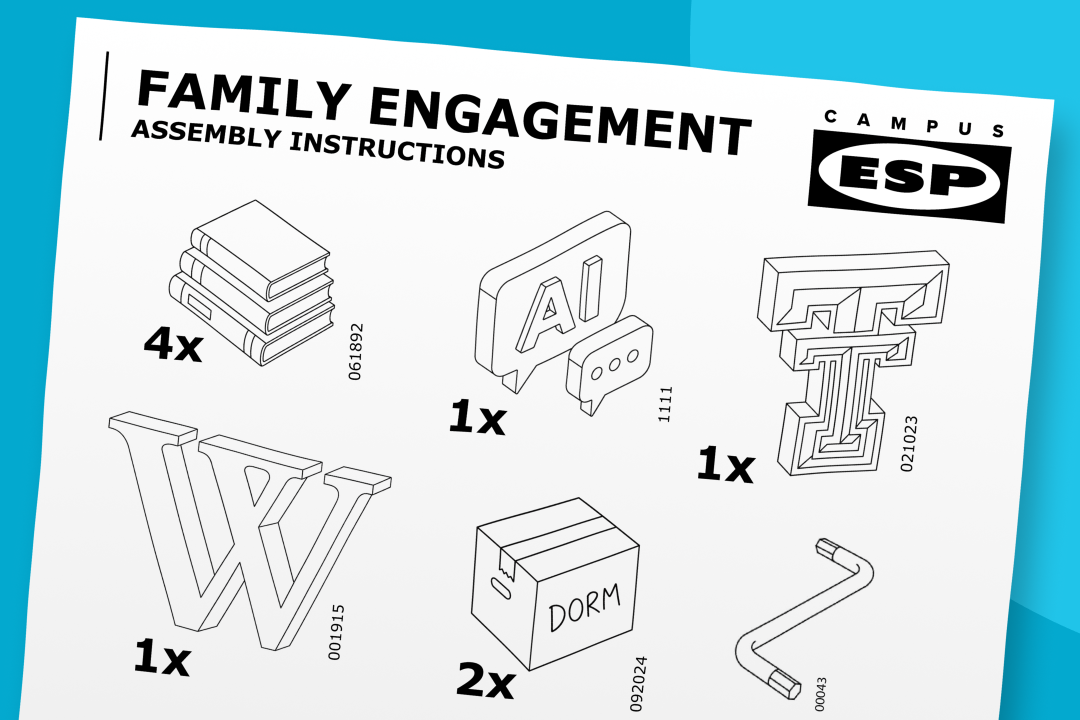
If your current strategy is sending the same message to your whole enrollment funnel, you’re already behind.
A family deciding whether to apply needs something very different from one weighing a deposit. This session will show how enrollment teams can use CRM data and funnel-stage segmentation to make family outreach more timely, relevant, and actionable.
Join us for a practical look at how Tarleton State University uses CRM data and funnel-stage segmentation to tailor family outreach across the enrollment journey.
See the strategy behind a 63% increase in families reached and a 76% enrollment rate among its highest-engagement families — and walk away with ideas you can apply across your own funnel.
When students hit billing confusion, holds, financial aid requirements, registration issues, or missed deadlines, families often step in. But without secure access, 48% are using their student’s ID and password to view student data.
Shared logins, manual forms, and unclear permissions create more work for registrars, more compliance risk, and more friction when students need support.
Join CampusESP to see how modern FERPA Management helps institutions give families the right access while saving teams time.
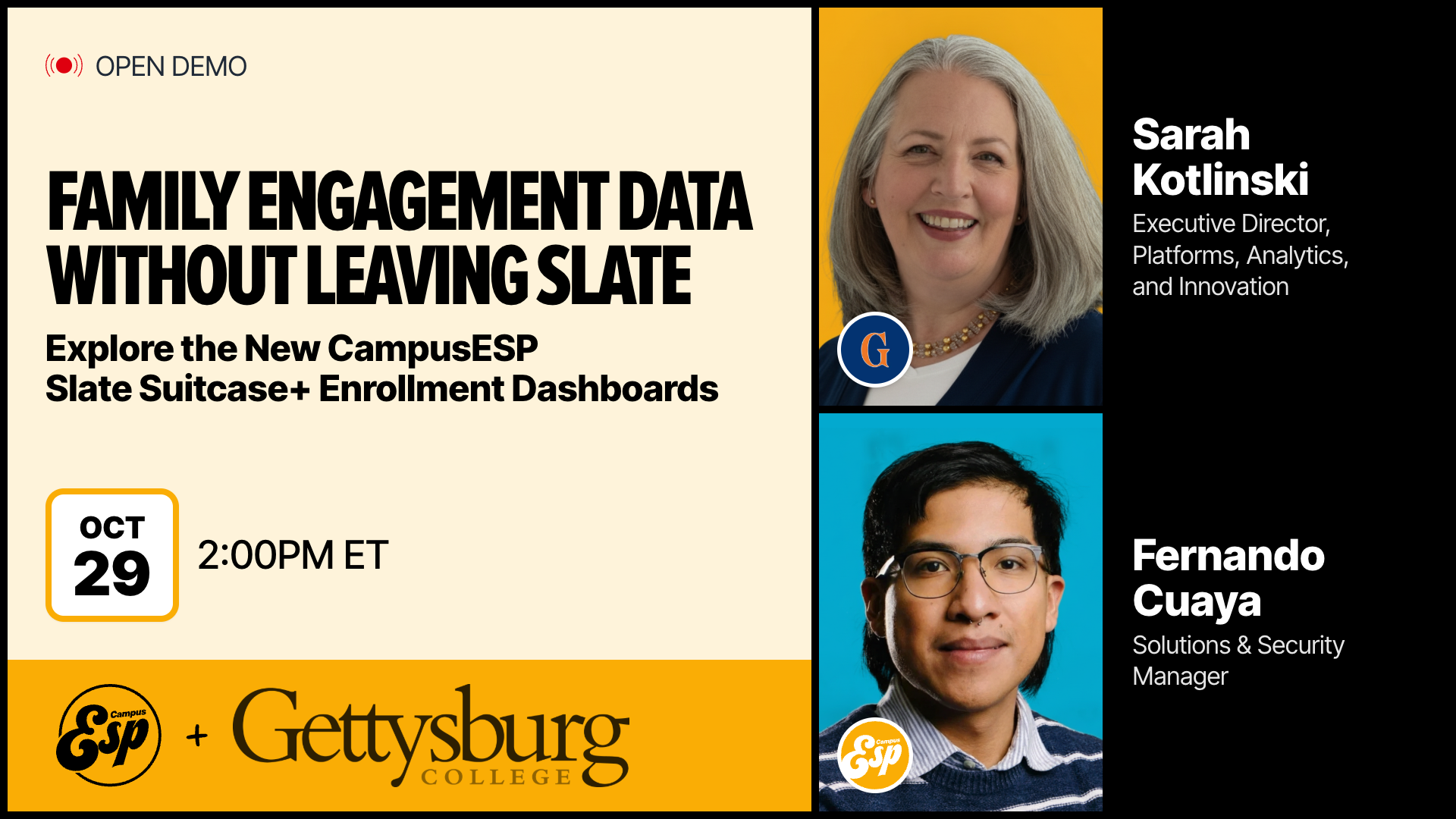
Join us for a live, open walkthrough of CampusESP focused on engaging prospective families and strengthening enrollment outcomes.
You’ll see how institutions bring families into the recruitment journey through dedicated portals, milestone communications, and engagement insights that help teams guide decisions and improve yield.
See how it works first-hand, and get excited about what it could do for your enrollment strategy.
Join us for a live, open walkthrough of CampusESP **focused on engaging and supporting families from move-in to commencement.
We’ll highlight how campuses streamline family communications, simplify FERPA processes, and create pathways for parent and supporter involvement that dries retention — all within one centralized platform.
See how it works, and explore what it could do to power student success on your campus.
Check out all our upcoming webinars!
Can't make one of our webinars live, but are still interested in the data being shared? Register anyway!
All registrants receive the recording of the webinar and a copy of the deck shared!
If your current strategy is sending the same message to your whole enrollment funnel, you’re already behind.
A family deciding whether to apply needs something very different from one weighing a deposit. This session will show how enrollment teams can use CRM data and funnel-stage segmentation to make family outreach more timely, relevant, and actionable.
Join us for a practical look at how Tarleton State University uses CRM data and funnel-stage segmentation to tailor family outreach across the enrollment journey.
See the strategy behind a 63% increase in families reached and a 76% enrollment rate among its highest-engagement families — and walk away with ideas you can apply across your own funnel.
When students hit billing confusion, holds, financial aid requirements, registration issues, or missed deadlines, families often step in. But without secure access, 48% are using their student’s ID and password to view student data.
Shared logins, manual forms, and unclear permissions create more work for registrars, more compliance risk, and more friction when students need support.
Join CampusESP to see how modern FERPA Management helps institutions give families the right access while saving teams time.
Join us for a live, open walkthrough of CampusESP focused on engaging prospective families and strengthening enrollment outcomes.
You’ll see how institutions bring families into the recruitment journey through dedicated portals, milestone communications, and engagement insights that help teams guide decisions and improve yield.
See how it works first-hand, and get excited about what it could do for your enrollment strategy.
Join us for a live, open walkthrough of CampusESP **focused on engaging and supporting families from move-in to commencement.
We’ll highlight how campuses streamline family communications, simplify FERPA processes, and create pathways for parent and supporter involvement that dries retention — all within one centralized platform.
See how it works, and explore what it could do to power student success on your campus.
Recorded Webinars
Texas Tech University and Webster University scaled family engagement year-round without adding more work to already stretched teams. Learn how campus partners, ready-to-use content, AI, and discussion boards made it possible.
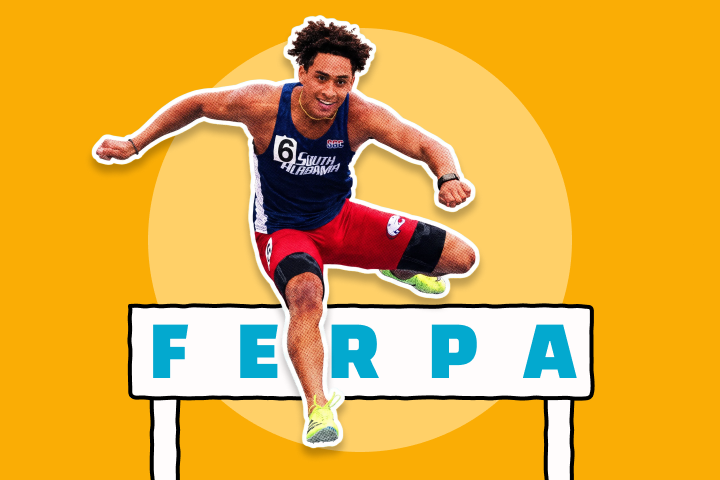
South Alabama increased yield 23.5 percentage points for students with engaged family members and saw a 276% rise in orientation confirmations. Learn how CampusESP unified communications, scaled FERPA connections, and guided families through the student lifecycle.
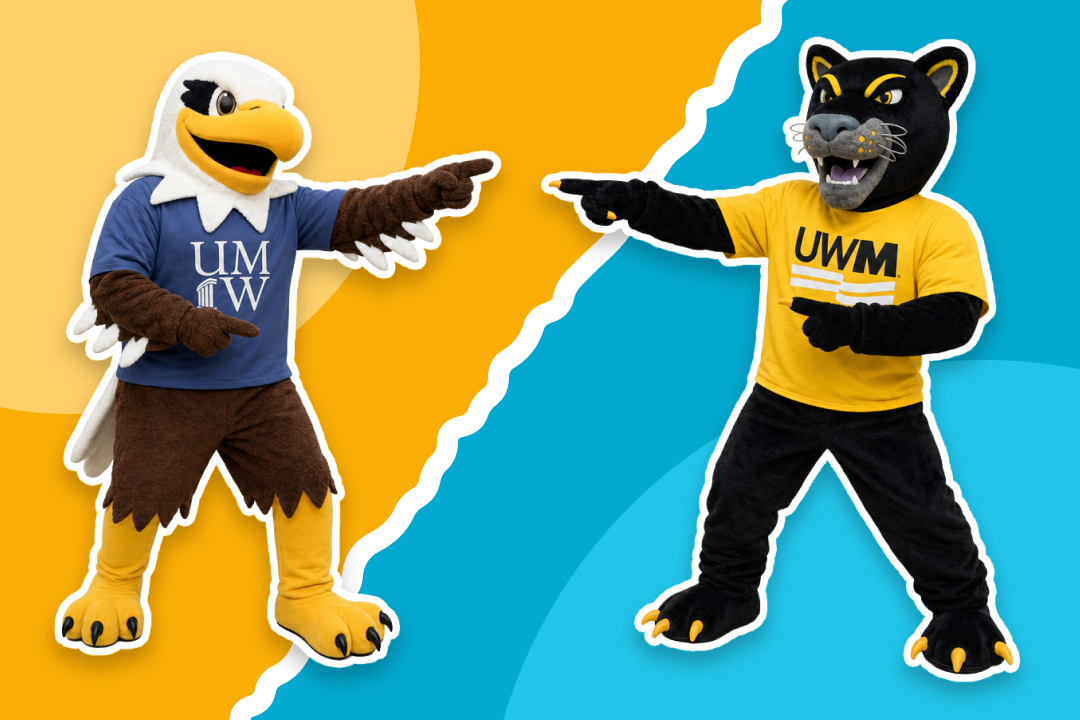
UWM and UMW saw 16- and 18-point higher yield rates among students with engaged parents. Learn how family engagement helps enrollment teams identify intent, clarify cost, and guide admitted students.
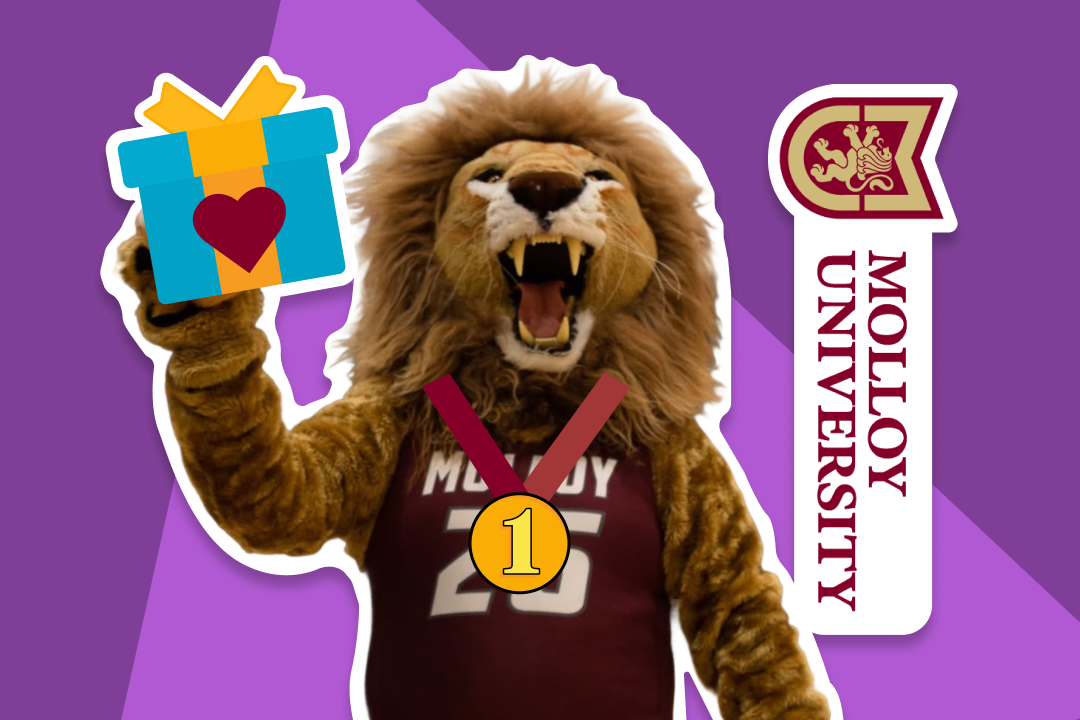
Molloy University built a culture of philanthropy by helping families see their place in the mission. That approach led to the largest Giving Tuesday in Molloy’s history, raising $40,000+ and a six-figure Giving Day that continues to grow
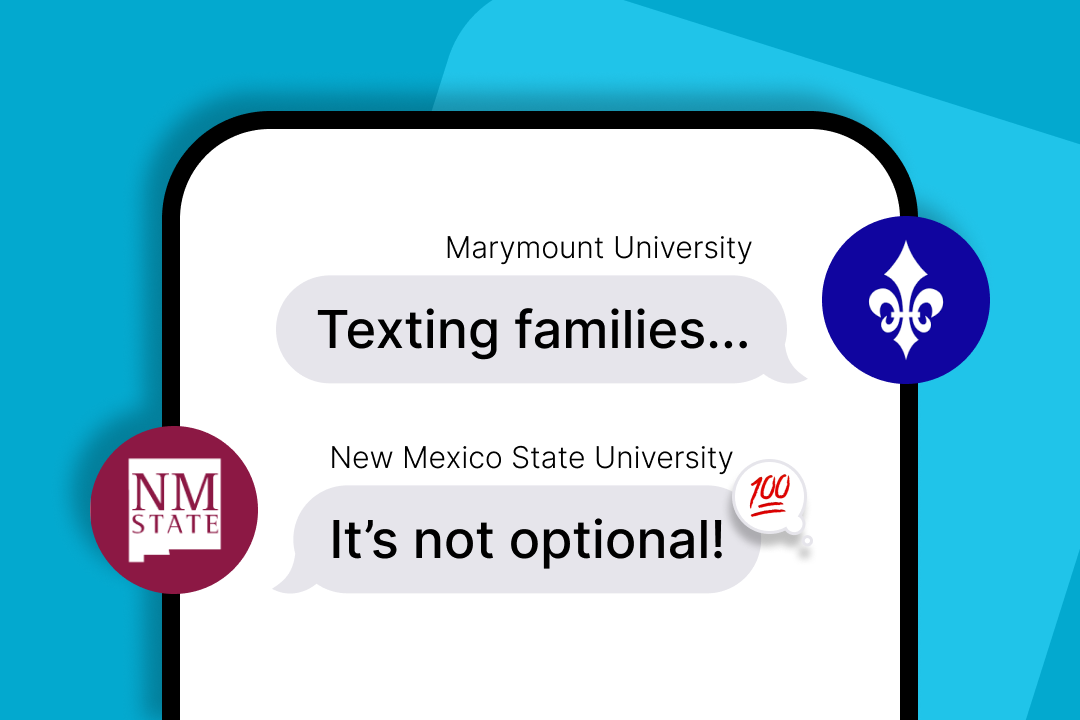
Text messages drive up to 3x higher engagement than email, yet most colleges still underuse them. Learn how Marymount University and New Mexico State University are turning everyday communications into timely, action-driving texts.
Orientation is a high-impact moment for families, but it can also be overwhelming. FSU turned three days of information into a lasting resource with their New Nole Orientation Hub, extending support well beyond move-in.
DigiPen shares how engaging families during the admit-to-deposit window led to students with a connected parent enrolling at rates 16% higher than the institutional average.
When families lack clarity around financial aid and cost, enrollment decisions stall. Learn how UNLV expanding their family communications around cost and ROI to drive yield, all while reducing call volume to financial aid and cashiering offices by 50%.
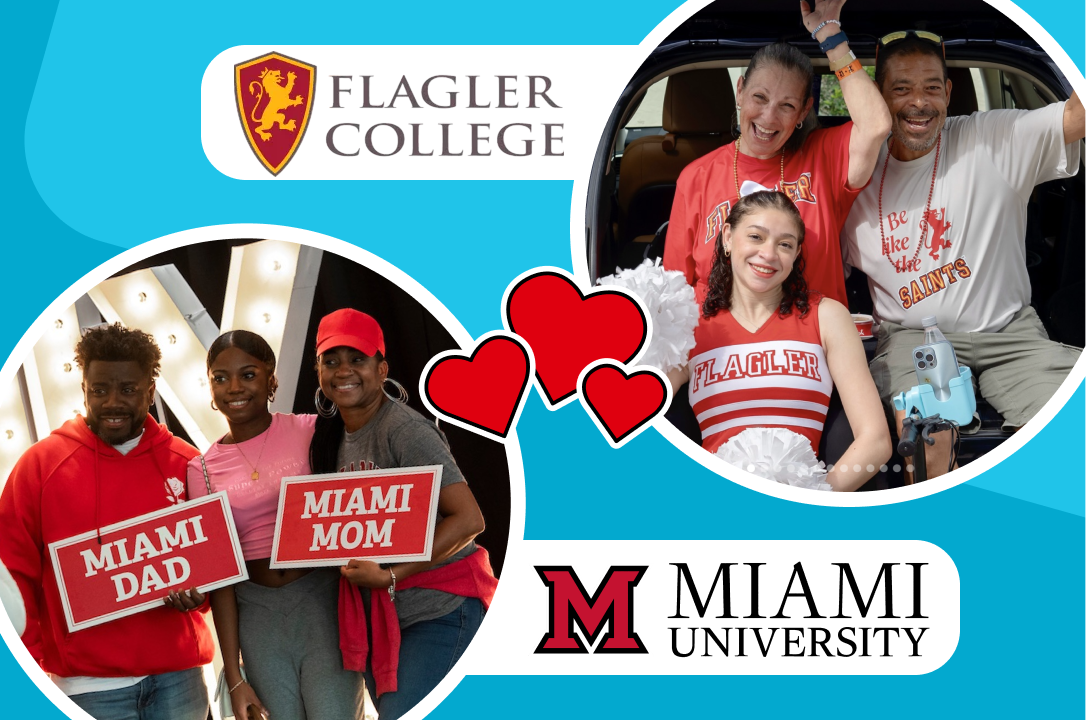
When families understand the value of the student experience and know they’re partners in that progress, philanthropy becomes a natural next step. See how Flagler and Miami used this approach to grow giving days by up to 30%!
Families are engaging in the college search earlier than ever. This guide shares research-backed insights and real-world examples from two institutions already seeing enrollment results through intentional family engagement, including increase in student yield by +12%!
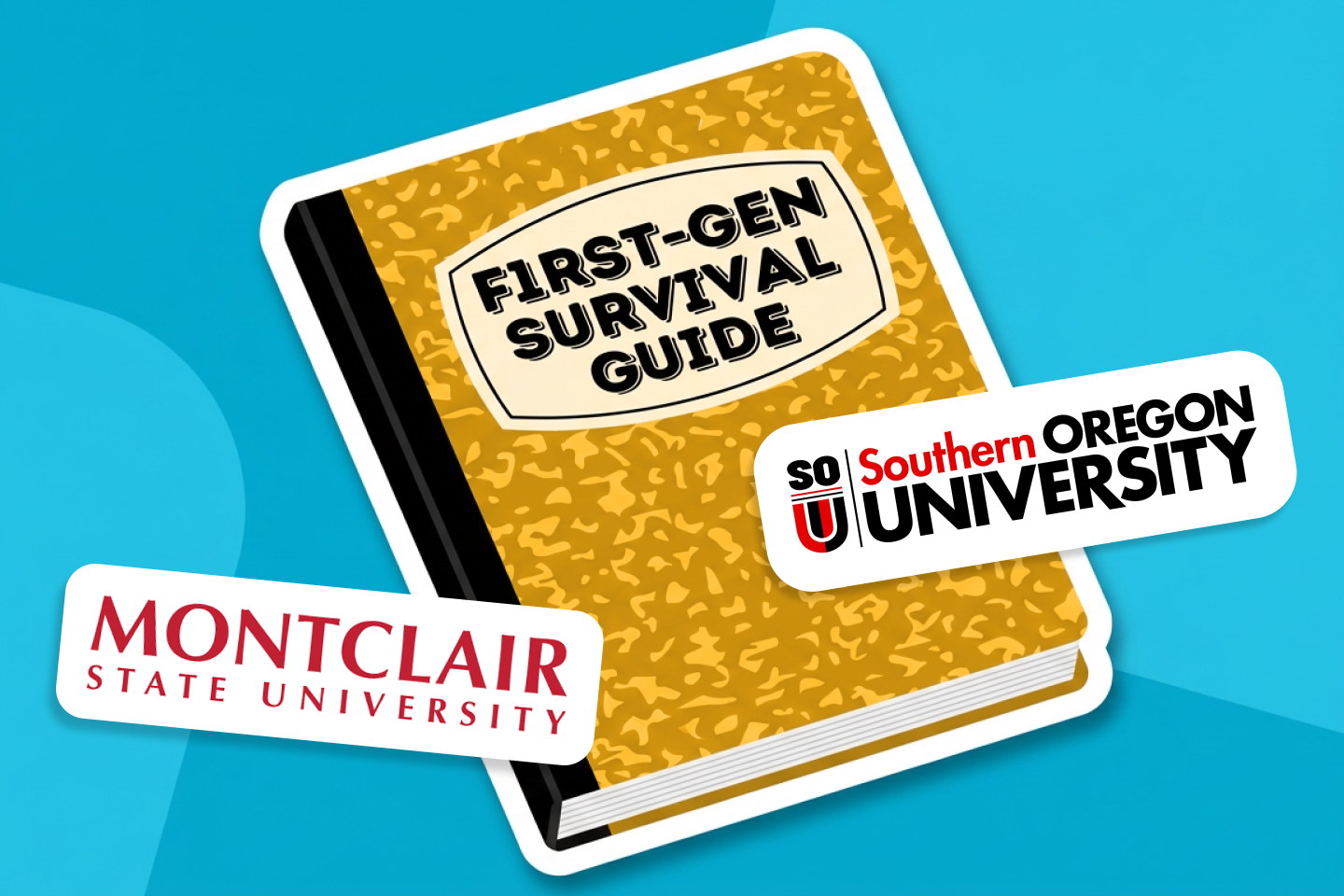
Early communication sets the tone for first-gen success. See how Montclair State University and Southern Oregon University are making thoughtful, strategic shifts in communication that help first-gen support feel personal, accessible, and culturally aware.
AI talk is everywhere in higher ed. And yeah, it can sound like one more complicated, overwhelming thing on your plate. But here’s the good news: AI doesn’t have to be intimidating. In fact, it can actually make your life easier and your family engagement efforts stronger.
This year’s FAFSA is smoother but success depends on more than system updates. Collaboration and consistent communication are what help families feel confident, informed, and supported throughout one of higher education’s most stressful processes.
Families don’t care what office sends the email. And they shouldn’t have to. Every outreach from a college should feel like one voice: clear, consistent, and focused on student success.
Louisiana State University, The University of Kansas, University of Minnesota Twin Cities, University of Wisconsin–Milwaukee, and Webster University piloted our newest feature. They saw big gains in parent engagement, while spending only 30 mins a month managing it!
The summer before college is filled with questions for both students and their parents. That’s why the transition to college isn’t just about preparing students; it’s about equipping families with the information and support they need to guide them through it.
Personalization can feel like an impossible task. You’re juggling shrinking teams, packed calendars, and a mile-long to-do list — do you really have time to tailor every message?
Last month, we welcomed hundreds of higher ed professionals to the 2025 CampusESP Summit. From campus collaborations to hyper-personalization with AI, these four takeaways show how institutions are turning ideas into action.
This year, over 32,000 families from 81 colleges told us exactly what they need to stay informed, connected, and confident about their student’s college experience. Spoiler: it’s not more Facebook Groups.
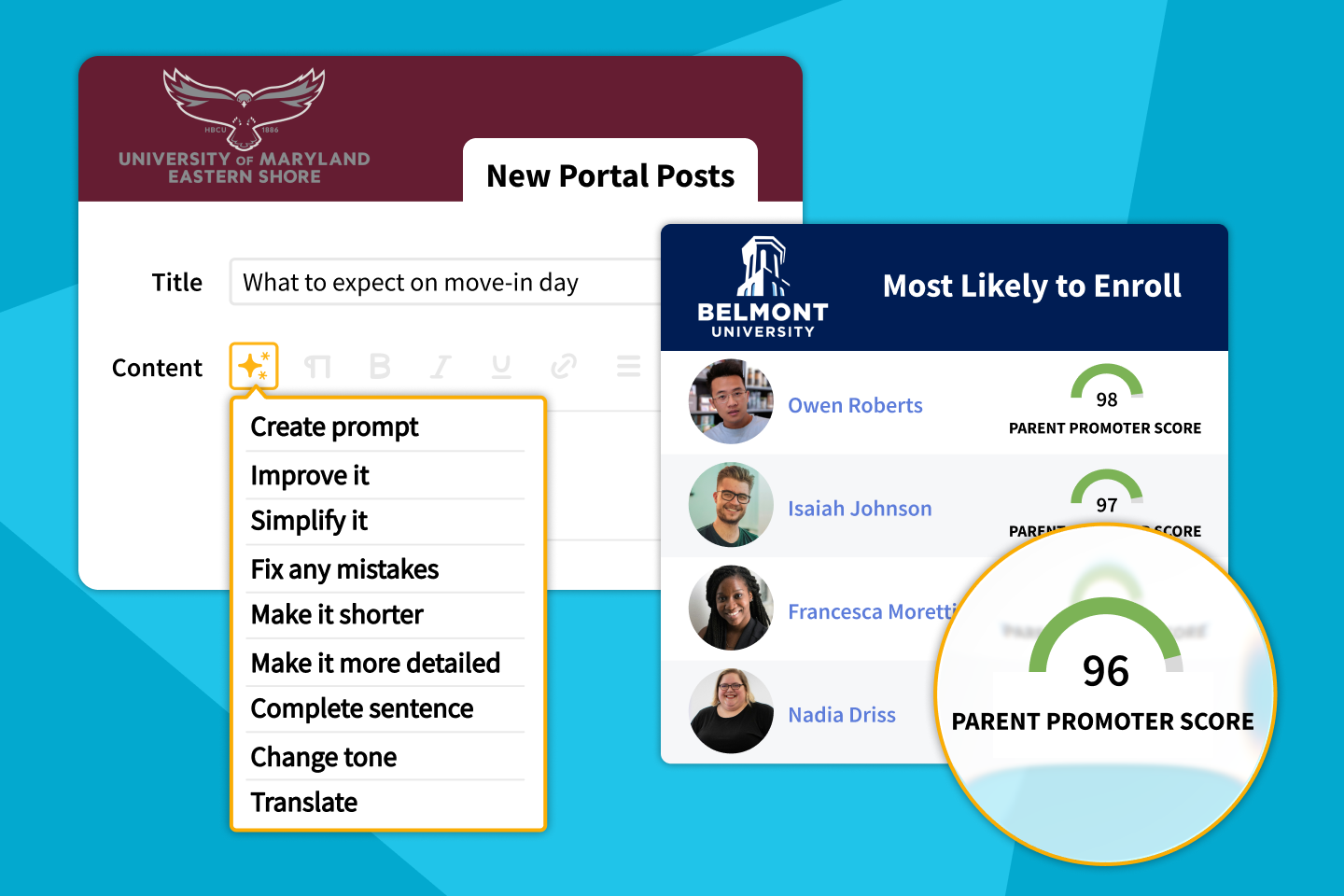
What makes CampusESP different? Why is parent engagement easier in CampusESP? Why not just build it in your CRM? We walk through the differences and benefits of a built-for-purpose family engagement platform with our friends from Belmont University and University of Maryland Eastern Shore. Learn the main differences between building parent engagement in your CRM and having us build it for you quicker, better ... and with less risk.
When it comes to turning "maybe" into "yes" in the enrollment process, engaging families is more important than ever. But how can already-saturated teams, facing growing enrollment concerns, focus on the right outreach that will drive the action needed?
Let’s face it — AI is everywhere. You’ve probably heard “AI is here to stay” more times than you can count (maybe even in your sleep). But here’s the thing: when it comes to family engagement in higher ed, AI is a game-changer.
You’re actively working on yielding students, but are you also working on yield their parents? Engaging parents now can help you recruit the entire family and grow your incoming class. Get 3 approaches you can still try to hit your goals.
Each year we look across all the data to elevate the 5 trends in family engagement that you need to know to hone your strategy and hit your goals. Based on insights from more than 420 institutions and 15 million families, get the top takeaways to connect with families now.
One of the easiest ways to create more family content is also one of the smartest — partnering with other departments across campus. Learn how the pros at UNC Wilmington and K State created content teams, and how CampusESP helps you manage your new content engine.
Mental health continues to be a trending topic on campus and an area families need solid info on to support their students. The team at Georgia Tech takes us through their approach and programming.
Last spring, 140 colleges and universities in the U.S. saw demonstrations on their campus. While mostly peaceful, each caused disruption and confusion for administrators, faculty, students... and the families miles away desperate to understand what was happening. University of Maryland, UNC Chapel Hill, and University of Oregon joined us to share their experiences updating families, and their learnings as they anticipate additional activity this fall.
2025 admissions planning starts in 3… 2… 1… but where do you start? How do you make next year better? University of Mary Washington and Franciscan University of Steubenville help you get ahead with tips, tricks, and strategies from explaining financial aid to utilizing alumni connections.
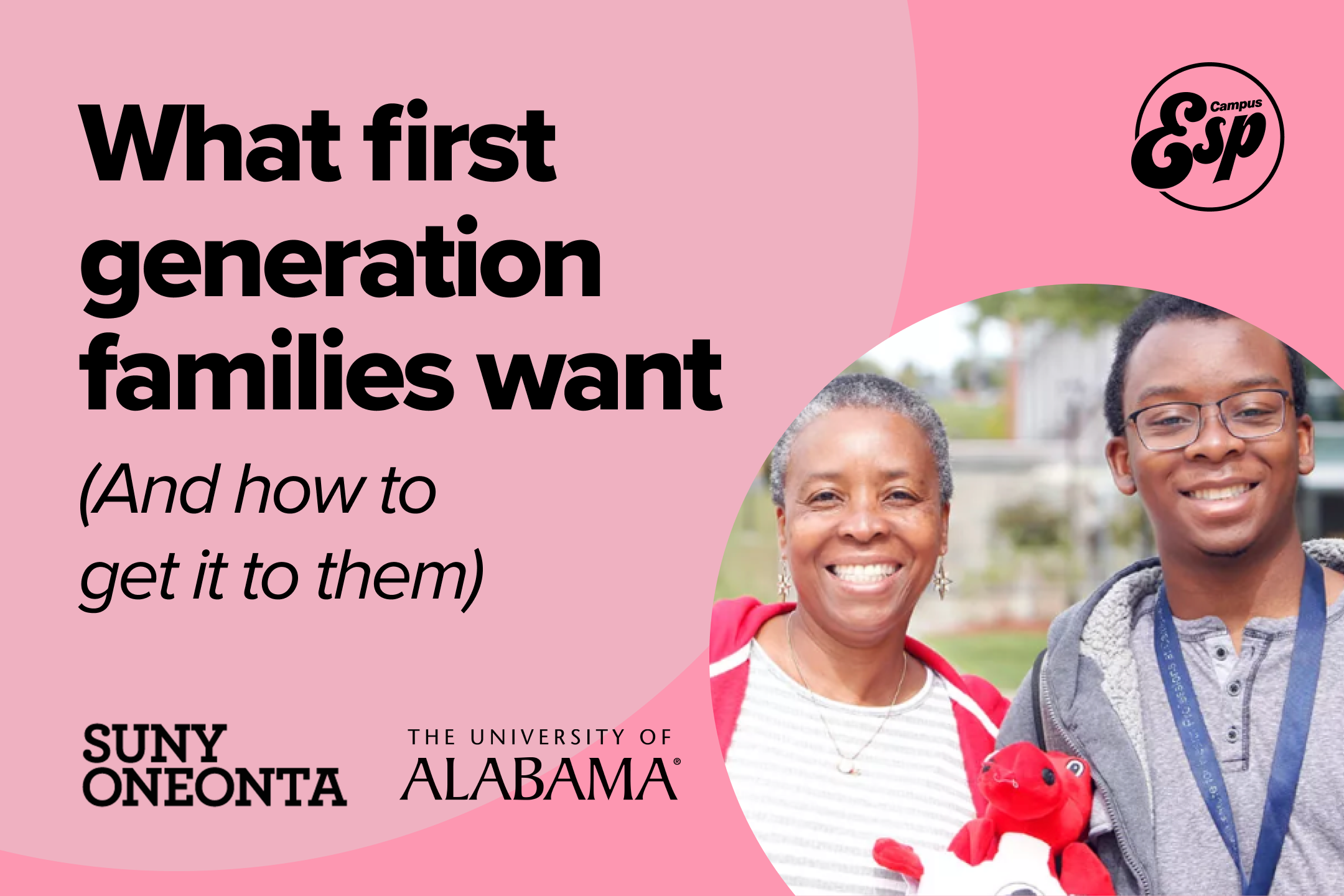
First-generation families need and want regular communications — they request content at higher frequency and engage more actively. By engaging first-generation families, who in turn will actively advise and support their first-gen students, institutions can create a stronger cycle of education and success. The pros at SUNY Oneonta and University of Alabama share how they do it.
With financial aid delays leading to decision delays, it’s safe the say summer melt will matter this year more than ever. How are you keeping your admitted students — and their families — engaged, excited, and eager to enroll? Two partners who have seen it and done it — Utah State and New Mexico State — share their experience and advice.
Texas Tech University and Webster University scaled family engagement year-round without adding more work to already stretched teams. Learn how campus partners, ready-to-use content, AI, and discussion boards made it possible.
South Alabama increased yield 23.5 percentage points for students with engaged family members and saw a 276% rise in orientation confirmations. Learn how CampusESP unified communications, scaled FERPA connections, and guided families through the student lifecycle.
UWM and UMW saw 16- and 18-point higher yield rates among students with engaged parents. Learn how family engagement helps enrollment teams identify intent, clarify cost, and guide admitted students.
Molloy University built a culture of philanthropy by helping families see their place in the mission. That approach led to the largest Giving Tuesday in Molloy’s history, raising $40,000+ and a six-figure Giving Day that continues to grow
Text messages drive up to 3x higher engagement than email, yet most colleges still underuse them. Learn how Marymount University and New Mexico State University are turning everyday communications into timely, action-driving texts.
Orientation is a high-impact moment for families, but it can also be overwhelming. FSU turned three days of information into a lasting resource with their New Nole Orientation Hub, extending support well beyond move-in.
DigiPen shares how engaging families during the admit-to-deposit window led to students with a connected parent enrolling at rates 16% higher than the institutional average.
When families lack clarity around financial aid and cost, enrollment decisions stall. Learn how UNLV expanding their family communications around cost and ROI to drive yield, all while reducing call volume to financial aid and cashiering offices by 50%.
When families understand the value of the student experience and know they’re partners in that progress, philanthropy becomes a natural next step. See how Flagler and Miami used this approach to grow giving days by up to 30%!
Families are engaging in the college search earlier than ever. This guide shares research-backed insights and real-world examples from two institutions already seeing enrollment results through intentional family engagement, including increase in student yield by +12%!
Early communication sets the tone for first-gen success. See how Montclair State University and Southern Oregon University are making thoughtful, strategic shifts in communication that help first-gen support feel personal, accessible, and culturally aware.
AI talk is everywhere in higher ed. And yeah, it can sound like one more complicated, overwhelming thing on your plate. But here’s the good news: AI doesn’t have to be intimidating. In fact, it can actually make your life easier and your family engagement efforts stronger.
This year’s FAFSA is smoother but success depends on more than system updates. Collaboration and consistent communication are what help families feel confident, informed, and supported throughout one of higher education’s most stressful processes.
Families don’t care what office sends the email. And they shouldn’t have to. Every outreach from a college should feel like one voice: clear, consistent, and focused on student success.
Louisiana State University, The University of Kansas, University of Minnesota Twin Cities, University of Wisconsin–Milwaukee, and Webster University piloted our newest feature. They saw big gains in parent engagement, while spending only 30 mins a month managing it!
The summer before college is filled with questions for both students and their parents. That’s why the transition to college isn’t just about preparing students; it’s about equipping families with the information and support they need to guide them through it.
Personalization can feel like an impossible task. You’re juggling shrinking teams, packed calendars, and a mile-long to-do list — do you really have time to tailor every message?
Last month, we welcomed hundreds of higher ed professionals to the 2025 CampusESP Summit. From campus collaborations to hyper-personalization with AI, these four takeaways show how institutions are turning ideas into action.
This year, over 32,000 families from 81 colleges told us exactly what they need to stay informed, connected, and confident about their student’s college experience. Spoiler: it’s not more Facebook Groups.
What makes CampusESP different? Why is parent engagement easier in CampusESP? Why not just build it in your CRM? We walk through the differences and benefits of a built-for-purpose family engagement platform with our friends from Belmont University and University of Maryland Eastern Shore. Learn the main differences between building parent engagement in your CRM and having us build it for you quicker, better ... and with less risk.
When it comes to turning "maybe" into "yes" in the enrollment process, engaging families is more important than ever. But how can already-saturated teams, facing growing enrollment concerns, focus on the right outreach that will drive the action needed?
Let’s face it — AI is everywhere. You’ve probably heard “AI is here to stay” more times than you can count (maybe even in your sleep). But here’s the thing: when it comes to family engagement in higher ed, AI is a game-changer.
You’re actively working on yielding students, but are you also working on yield their parents? Engaging parents now can help you recruit the entire family and grow your incoming class. Get 3 approaches you can still try to hit your goals.
Each year we look across all the data to elevate the 5 trends in family engagement that you need to know to hone your strategy and hit your goals. Based on insights from more than 420 institutions and 15 million families, get the top takeaways to connect with families now.
One of the easiest ways to create more family content is also one of the smartest — partnering with other departments across campus. Learn how the pros at UNC Wilmington and K State created content teams, and how CampusESP helps you manage your new content engine.
Mental health continues to be a trending topic on campus and an area families need solid info on to support their students. The team at Georgia Tech takes us through their approach and programming.
Last spring, 140 colleges and universities in the U.S. saw demonstrations on their campus. While mostly peaceful, each caused disruption and confusion for administrators, faculty, students... and the families miles away desperate to understand what was happening. University of Maryland, UNC Chapel Hill, and University of Oregon joined us to share their experiences updating families, and their learnings as they anticipate additional activity this fall.
2025 admissions planning starts in 3… 2… 1… but where do you start? How do you make next year better? University of Mary Washington and Franciscan University of Steubenville help you get ahead with tips, tricks, and strategies from explaining financial aid to utilizing alumni connections.
First-generation families need and want regular communications — they request content at higher frequency and engage more actively. By engaging first-generation families, who in turn will actively advise and support their first-gen students, institutions can create a stronger cycle of education and success. The pros at SUNY Oneonta and University of Alabama share how they do it.
With financial aid delays leading to decision delays, it’s safe the say summer melt will matter this year more than ever. How are you keeping your admitted students — and their families — engaged, excited, and eager to enroll? Two partners who have seen it and done it — Utah State and New Mexico State — share their experience and advice.