
From move-in chaos to connection: How Flagler College rebuilt family trust
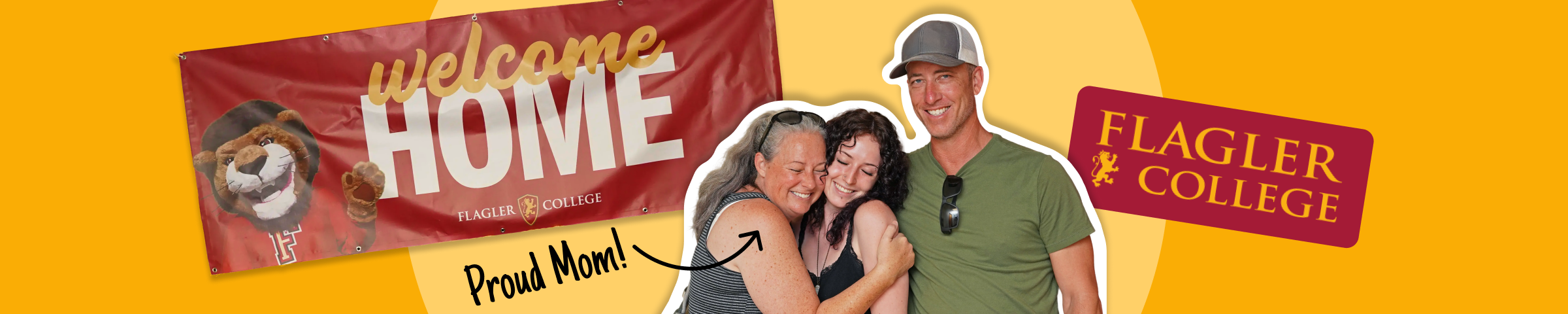
Some moments reveal more than any strategic plan ever could. For Flagler College, a private liberal arts college in historic St. Augustine with about 2,300 students, that moment came on move-in day.
Wi-Fi failed. Key cards stopped working. Rooms weren’t ready. As families searched for answers, an unofficial Facebook group quickly became the loudest source of information.
“As move-in chaos turned into comment threads, we realized we weren’t just missing a message, we were missing a relationship,” said Holly Hill, Senior Director of Marketing, Communication, and Brand Strategy at Flagler College.
It was the kind of day every campus hopes never happens.
That moment pushed Flagler to rethink how it connects with families and how trust is built. The team turned to CampusESP to create a more centralized, intentional approach to family communication, giving them a single place to reach families with timely, relevant information.
The results have been significant. Flagler reduced summer melt by 4 percent, cut August non-payers from 2,300 to just 100, and increased retention from 69% in 2021 to 72% in 2025.
The moment Flagler saw the real problem
While campus leaders debated the right communication strategy, families were already building their own.
The unofficial Facebook group quickly became the place parents turned for updates. Questions, frustrations, and speculation spread through comment threads as families tried to understand what was happening on campus.
Inside the institution, there were still questions about how involved parents should be. Some argued that students are adults and communication should focus only on them.
But what the marketing team saw in real time told a different story.
Families are deeply invested in their students’ experiences. They help students navigate decisions, manage challenges, and make sense of the college journey. Ignoring that reality doesn’t reduce family influence. It simply means the institution isn’t part of the conversation.
That realization changed how Flagler approached family engagement.
Rethinking family communication
Flagler’s response wasn’t to communicate more. It was to communicate smarter. The team began applying marketing principles and best practices to their parent and family engagement strategy. To support that shift, they implemented CampusESP, creating a centralized hub where families could receive updates, access resources, and stay connected throughout the student journey.
With one system supporting enrollment, ongoing communication for current families, and even family giving initiatives, Flagler was able to move away from scattered updates and toward a more coordinated, intentional experience for families.
Instead of sending broad updates to everyone, communication was redesigned around three simple ideas: understand the audience, deliver relevant guidance, and send information when families actually need it.
The first shift was understanding the audience. Within the CampusESP family portal, families were placed into communities based on their interests and where their students were in the Flagler journey. During onboarding, families identified their relationship to the student — prospective, incoming, or current — through a short registration form.
That segmentation allowed Flagler to tailor communication from the start. Instead of sending one message to everyone, the team could guide families through the student journey step by step.
The next shift focused on relevance. Communication moved away from general announcements and toward practical guidance tied to key moments.
During the transition from admission to enrollment, for example, Flagler created an orientation hub within the family portal where families could easily find resources about move-in and the start of the academic year.
That targeted communication helped reduce summer melt by 4%.
The final shift was timing. Messages were scheduled around moments when families were most likely to need information or take action.
Cost and financial aid consistently rank among the most important concerns for families so Flagler introduced a tuition payment drip campaign paired with SMS reminders sent through CampusESP.
The result was immediate: the number of unpaid student accounts in August dropped from 2,300 to just 100.
Turning a crisis into a strategy
As communication became more intentional, engagement followed. Family messages began averaging a 76% open rate, showing that families were not just receiving information but paying attention to it.
Over the same period, retention increased from 69% in 2021 to 72% in 2025.
That chaotic move-in day revealed something many campuses are still learning. Families are already part of the college journey. When institutions communicate with them intentionally, trust grows, support strengthens, and students benefit.
At Flagler, a moment of chaos became the starting point for a stronger relationship with the people who support students every day.