
Orientation en Español: Inside Montclair State’s first Spanish family orientation

Montclair State University launched Orientation en Español with a clear goal: create a welcoming, culturally relevant experience for first-gen and Hispanic/Latinx families. And it worked — more than 70 family members attended the pilot, engaged deeply in activities, and left asking for additional sessions.
This success reflects Montclair’s broader reality: a campus where over 50% of students identify as underrepresented minorities, 48% as first-gen, and more than 75 countries are represented. As New Jersey’s largest Hispanic-Serving Institution — and home to the state’s largest Latinx population — the university has also seen international enrollment triple from 300 to 1,000 in just four years. With this rapid growth, Montclair knew an English-only orientation couldn’t fully meet families’ needs.
“We realized many first-generation families were missing key information and felt disconnected from their student’s experience,” said Kyle Cashin, Program Coordinator.
A bilingual program driven by trust, collaboration, and cultural relevance
Montclair responded by building a fully bilingual, culturally relevant experience supported by campus partners, from the Center for Latino Heritage to Spanish-speaking staff and student leaders eager to help.
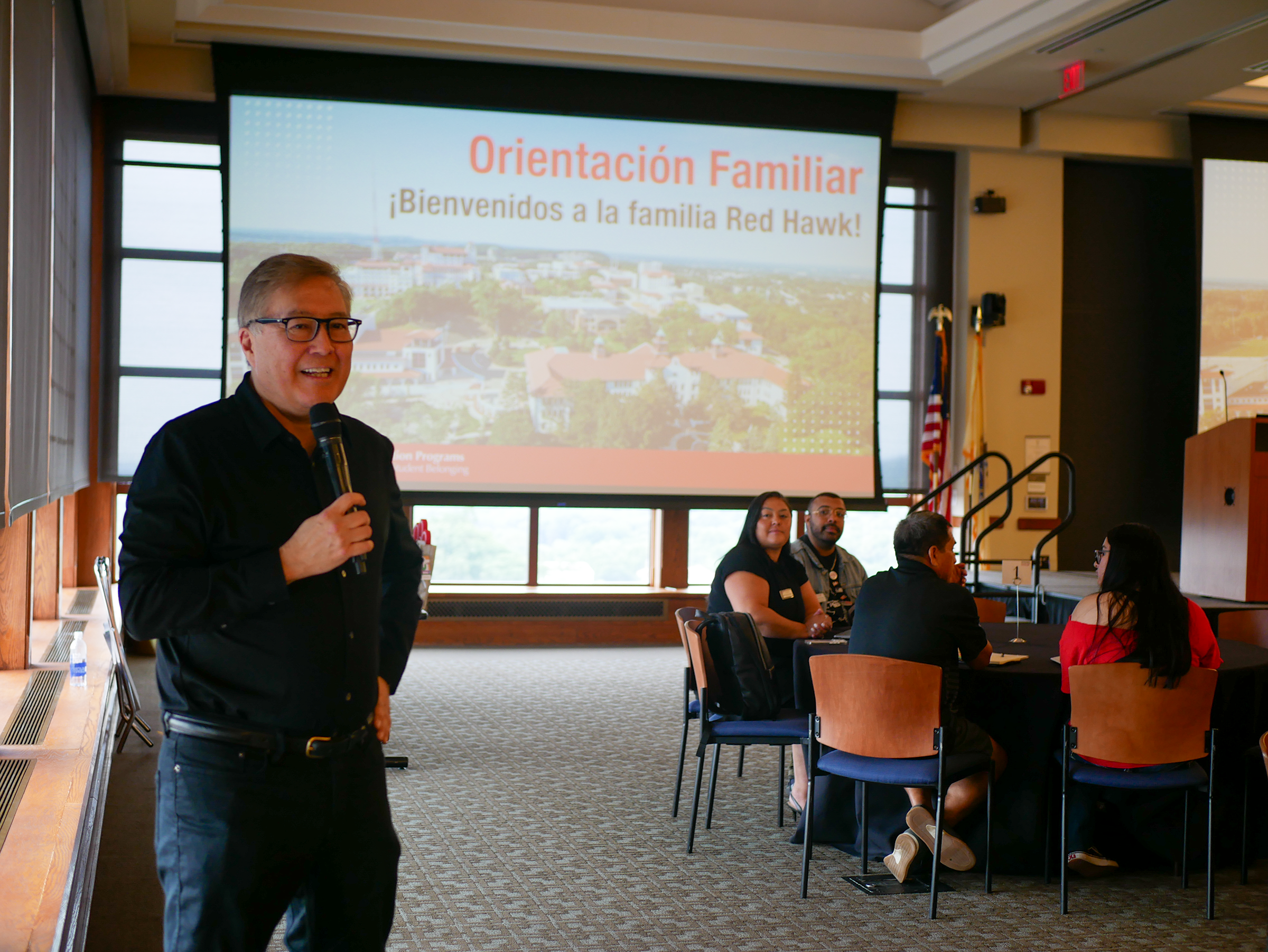
Instead of simply translating slides, the team rebuilt materials so they felt authentic and accessible.
“...we initially used AI to translate the slide decks... but we had help from the center and two colleagues in orientation staff who fluently spoke Spanish. They helped us with revision and to make the materials clear and accurate...” said Kelsey Nyman, Coordinator of Student Communications
Using Slate and CampusESP, they identified Spanish-speaking households and sent coordinated bilingual invitations to both families and students, ensuring everyone felt informed and welcomed before they ever set foot on campus.
A welcoming, interactive experience families could see themselves in
The pilot brought together 71 attendees, including multigenerational families eager to be part of their student’s transition.
Two elements made the event especially powerful:
The “Talking College” activity: prompted families to share fears, hopes, and questions openly
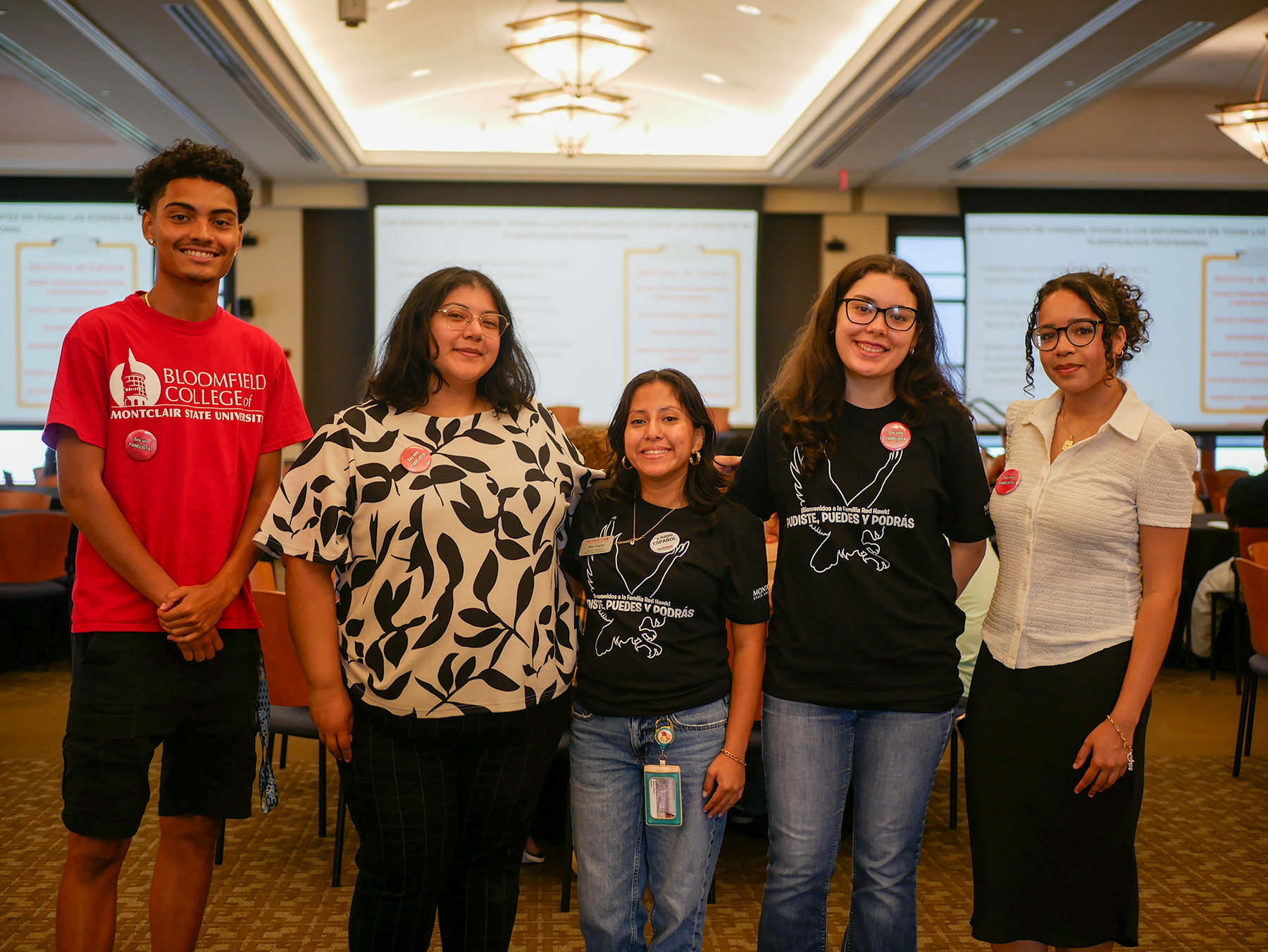
A bilingual student panel: filled staffing gaps and offered honest guidance from students who had lived the first-gen experience
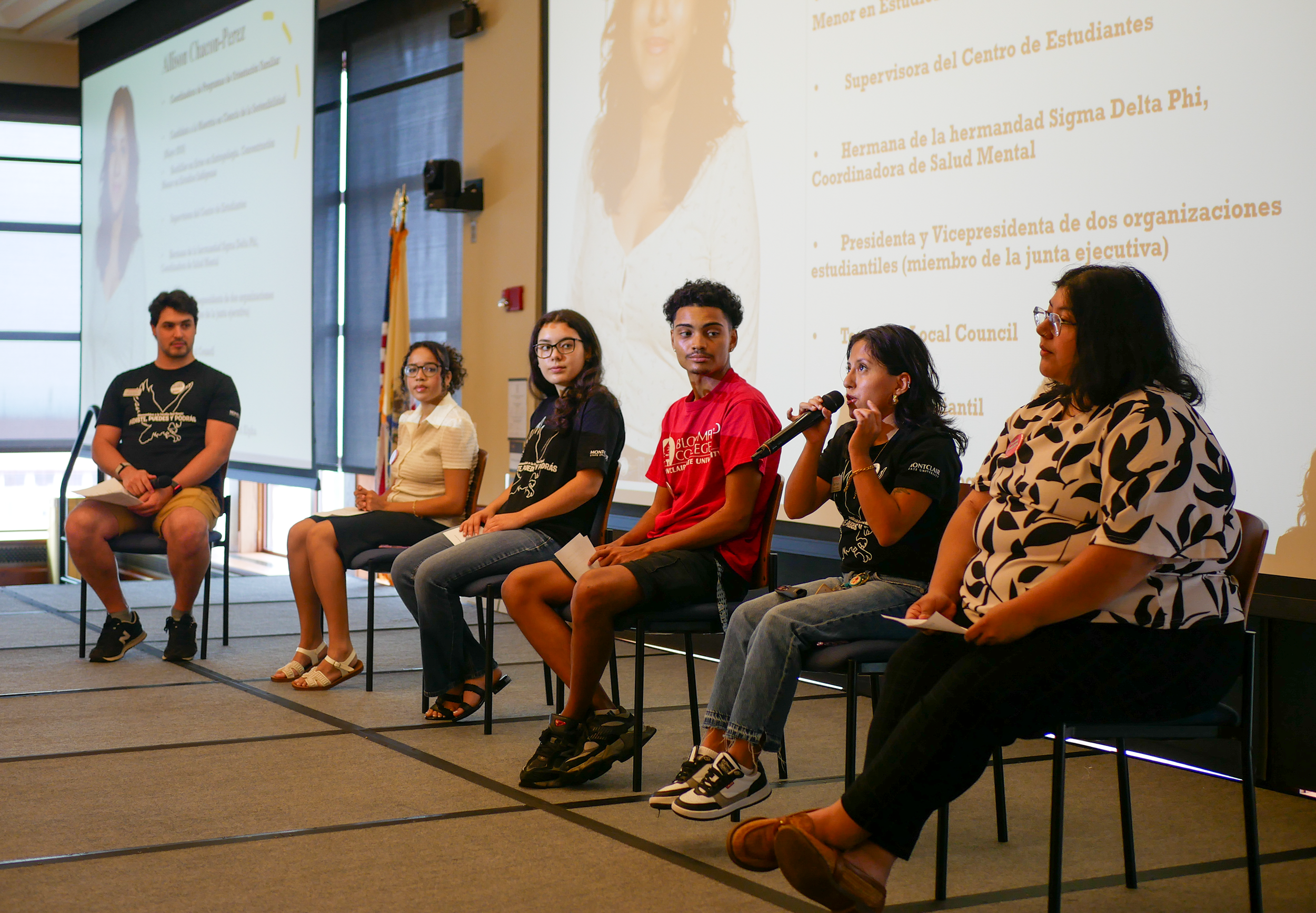
“The panel filled gaps for offices that didn’t have Spanish-speaking staff. Families heard directly from students living those experiences,” Kyle said.
The interactive format created powerful moments, including affirmation circles that brought students and families together.
“We had students and families standing in a circle doing affirmations together. That was when we knew this was bigger than information, it was community.” Kyle said.
And, of course, there were lighter moments too, like the FERPA discussion that sparked knowing looks and family laughter:
“Parents immediately turned to their students like, ‘You’re going to waive that for me, right?’ It was such a real, human moment.” Kyle joked.
An environment built to feel like home
Montclair matched the content with an equally thoughtful atmosphere. Families were greeted with bilingual signage and affirmation T-shirts — Pudiste (You did it). Puedes (You can). Podrás (You will). — small touches that helped families feel welcomed rather than overwhelmed.
“We wanted families to walk in and immediately feel: ‘You belong here,’” Kyle emphasized.
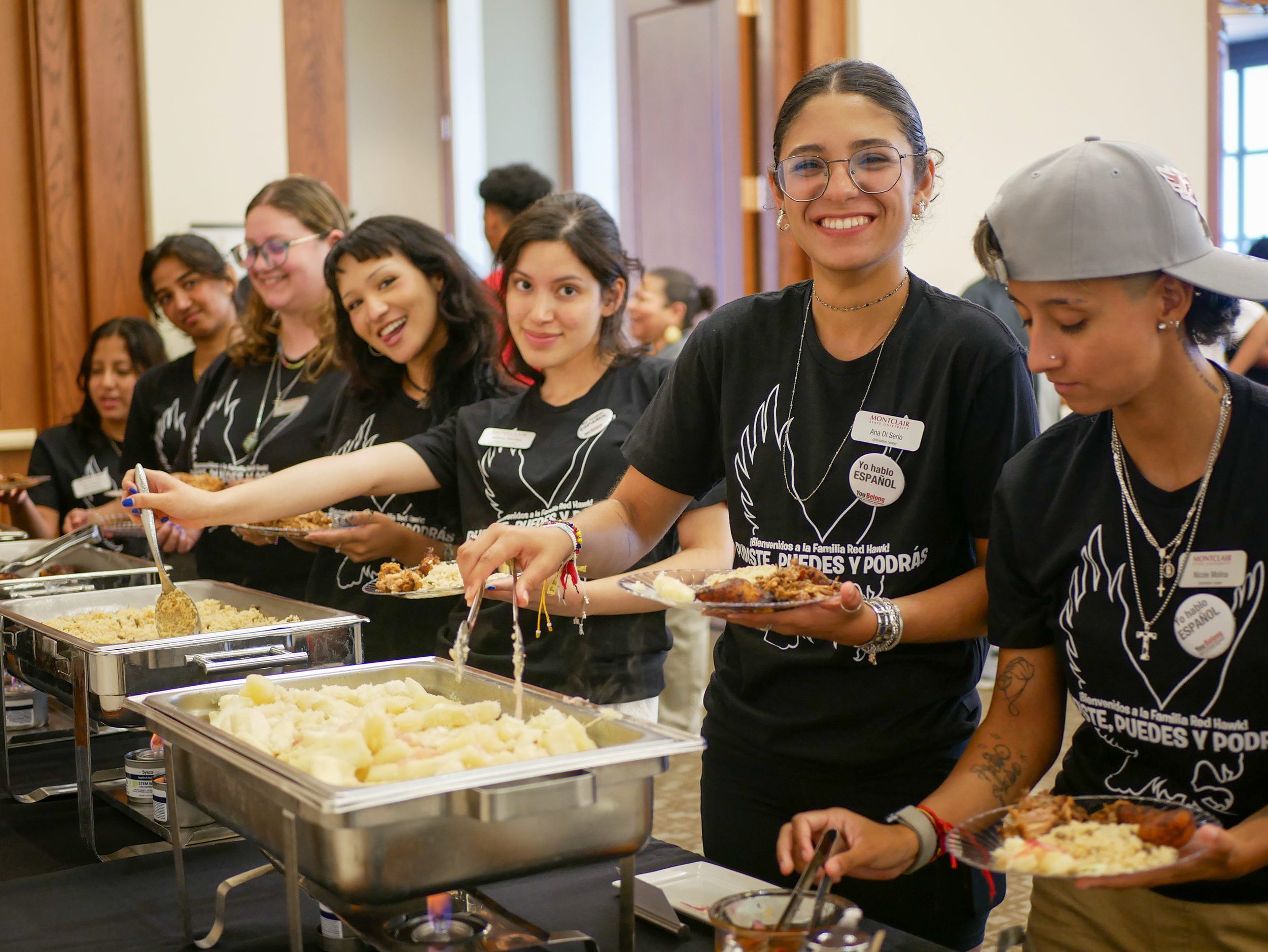
Families left feeling informed, welcomed, and empowered with many asking for more sessions in the future.
And the team is already thinking ahead. One lesson learned? Hosting on a weekday limited who could attend.
“We learned a lot. Next time we’d likely host on a weekend when families can attend more easily.” Kyled noted.
What Montclair shows us
Orientation en Español demonstrates what’s possible when institutions pair clear communication with cultural awareness and genuine collaboration. When families receive information in ways that feel accessible and affirming, they don’t just understand the institution — they trust it. And trust is the foundation of belonging from day one.
Ready to strengthen family engagement at your HSI?
Learn how CampusESP can support your HSI with bilingual communication, cultural relevance, and family engagement strategies like these